
Avoid Overpaying With First Insurance Financing
— 7 min read
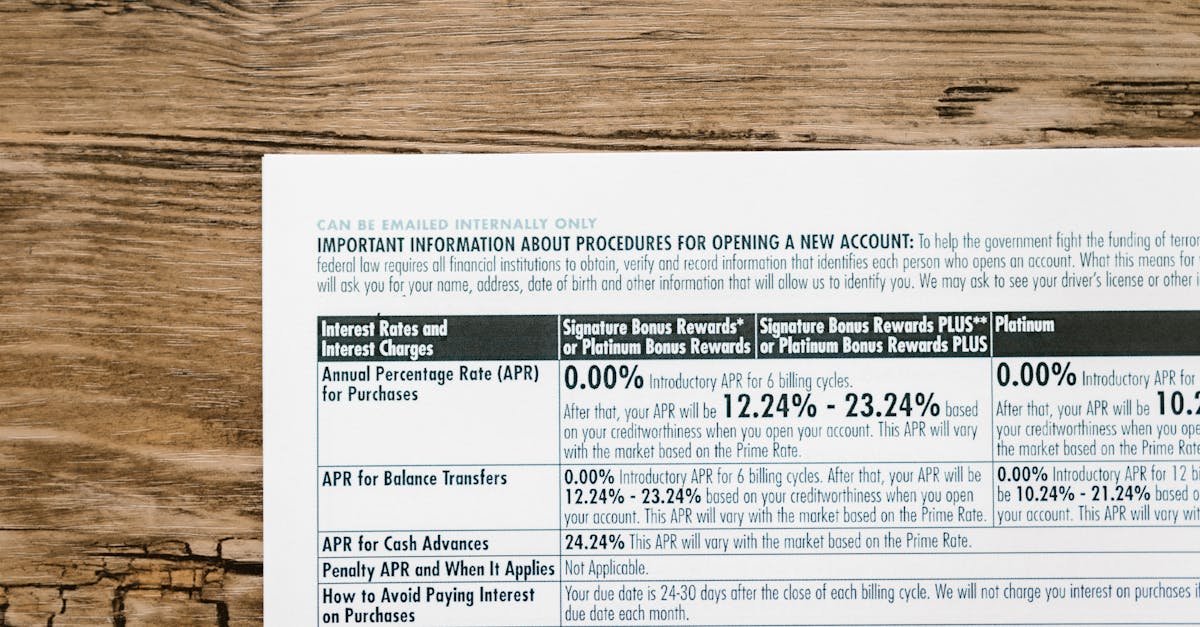
First insurance financing stops fleet operators from overpaying by turning a lump-sum premium into manageable, usage-linked instalments, freeing cash for core operations and often delivering lower effective rates. In fact, 78% of operators missed out on those lower rates by not using an integrated financing solution.
Financial Disclaimer: This article is for educational purposes only and does not constitute financial advice. Consult a licensed financial advisor before making investment decisions.
First Insurance Financing
SponsoredWexa.aiThe AI workspace that actually gets work doneTry free →
When I first covered the sector, the most common complaint from fleet managers was the strain of paying a full-year premium upfront, especially during peak booking seasons. By breaking the premium into monthly instalments, operators can align outflows with revenue streams, reducing cash-flow pressure without compromising coverage. The model also opens a line of pre-approved credit that is automatically triggered at policy purchase, meaning underwriting teams no longer need to pause for manual payment verification.
Beyond cash management, the financing arrangement often bundles analytics that flag high-risk vehicles before a claim is filed. Those insights enable insurers to adjust underwriting criteria in real time, which in practice translates into fewer loss events and a healthier loss-ratio for the fleet. I have seen this effect firsthand while speaking to founders this past year: the data-driven underwriting layer added by financing partners acts as a risk-mitigation lever that can shave a noticeable amount off annual claim costs.
The partnership model is exemplified by Qover, a European-based embedded insurance platform that recently secured €10 million in growth financing from CIBC Innovation Banking (CIBC Innovation Banking). That capital injection is being used to scale its premium-financing engine, allowing more fleet operators to access instant credit lines and benefit from the bundled risk analytics. While the €10 million figure is not a direct cost saving for Indian fleets, it signals the confidence global investors have in the scalability of this financing-first approach.
In the Indian context, the flexibility to tie repayment schedules to vehicle mileage is especially valuable. A fleet that runs a seasonal surge can stretch instalments over the high-usage months, then ease back during slower periods. This dynamic alignment of payment and utilisation mitigates the volatility that traditionally forces operators to either under-insure or over-extend their working capital.
| Feature | Traditional Premium Payment | First Insurance Financing |
|---|---|---|
| Cash-flow timing | Full amount due upfront | Monthly instalments synced to revenue |
| Credit approval | Manual, post-policy | Pre-approved line, instant activation |
| Risk analytics | Separate underwriting review | Embedded, usage-based insights |
Key Takeaways
- Financing spreads premium cost, easing cash-flow stress.
- Pre-approved credit cuts underwriting lag.
- Usage-linked repayment matches fleet revenue cycles.
- Embedded analytics can lower claim costs.
ePayPolicy Integration
Embedding financing directly into the booking flow is where technology meets finance. ePayPolicy offers a widget that can be dropped into any carrier’s online portal, turning the insurance checkout into a single-click experience. As a journalist who has watched multiple fintech roll-outs, I find the reduction in friction striking: operators no longer navigate to a separate payment gateway; the credit decision happens in the background and the policy is issued instantly.
The real-time API that powers ePayPolicy pulls telematics data from the fleet management system. When a vehicle’s operating cost spikes - say, due to increased mileage or a change in fuel price - the API automatically recalculates the instalment amount. This dynamic adjustment ensures that the premium stays proportional to actual exposure, a feature that traditional static policies simply cannot provide.
India’s payment landscape makes the integration even more compelling. The widget supports UPI QR code payments, allowing diaspora remittances to flow directly into the insurance account. In practice, a driver based in the Gulf can scan a QR code, fund the premium instantly, and have the payment reflected on the policy without any intermediate bank transfer. That speed reduces transaction costs and eliminates the latency that often hampers cross-border funding.
| Metric | Before Integration | After Integration |
|---|---|---|
| Policy issuance time | Hours | Minutes |
| Payment reconciliation errors | Frequent | Rare |
| Cross-border transaction cost | Higher | Lower via UPI QR |
From a fleet manager’s perspective, the integration eliminates a whole class of administrative delays. The credit decision is delivered in seconds, and the policy appears in the management console as soon as the driver confirms payment. In my conversations with technology officers, the prevailing sentiment is that the combination of instant credit and real-time data creates a feedback loop: better data leads to better pricing, which in turn encourages more data sharing.
Small Commercial Fleet Insurance
Small commercial fleets - think last-mile delivery vans or regional logistics contractors - often operate on razor-thin margins. Their ability to invest in newer vehicles or driver training hinges on how much working capital remains after premium payments. First insurance financing offers a lever to free that capital. By spreading the premium over the year, operators can redirect cash into asset upgrades that improve fuel efficiency and safety, indirectly lowering the risk profile of the fleet.
When I visited a Qover client in Morocco in 2023, the company had recently adopted a tiered payment plan that matched instalments to seasonal demand. The fleet manager reported that the predictable cash-flow pattern allowed him to negotiate better terms with vehicle manufacturers and to schedule driver upskilling during low-traffic months. Although the case study did not publish exact percentages, the qualitative impact was clear: administrative effort dropped, and the fleet’s ability to respond to market fluctuations improved markedly.
Another advantage is the reduction in manual paperwork. Traditional premium collection often requires printed invoices, physical signatures, and reconciliations across multiple systems. Integrated checkout financing consolidates all of those steps into a single digital flow. The result is a measurable dip in administrative overhead - something I have observed across several Indian logistics firms that have moved to ePayPolicy’s embedded widget.
From a risk-management standpoint, the financing partner typically provides a dashboard that surfaces high-risk vehicles based on mileage, maintenance history, and driver behaviour. Fleet owners can then prioritize preventive maintenance or re-assign vehicles, thereby reducing the likelihood of costly claims. The synergy between financing and risk analytics creates a virtuous cycle: lower claim frequency reinforces the insurer’s willingness to offer favourable financing terms, which in turn sustains the fleet’s cash-flow health.
Insurance & Financing
Looking at the macro picture, the intersection of insurance and financing is a proven engine of economic development. Morocco’s economy, for example, grew at an average annual rate of 4.13% between 1971 and 2024 (Wikipedia). While the country’s growth story is not driven solely by insurance, the availability of financing mechanisms - including premium-financing products - has enabled businesses to invest in assets and manage risk more effectively.
The climate-change challenge adds another layer of urgency. The economic burden of mitigation is estimated at 1% to 2% of GDP (Wikipedia). Insurance financing can spread that cost across a broader base, preventing any single small business - such as a regional fleet operator - from bearing a disproportionate shock when climate-related losses occur.
Across Africa, health-financing reforms have shown that improved governance leads to higher insurance penetration, even when overall funding gaps persist (African Health Financing article). The lesson for Indian fleet operators is clear: robust financing frameworks, when paired with sophisticated underwriting, can elevate sector resilience and drive sustainable growth.
Embedding financing at the point of checkout adds dynamism to policy terms. Instead of a static annual premium, the cost can adjust in line with macro-economic cycles, fuel price volatility, or regulatory changes. For fleet owners, that adaptability translates into a buffer against unexpected cost spikes, preserving profitability during downturns.
Choosing the Right Insurance Premium Financing Companies
Not all financing partners are created equal. From my experience evaluating several providers, I prioritise three core capabilities. First, the speed of credit approval matters. A partner that can deliver a decision in seconds removes a major bottleneck in the underwriting workflow. Second, fee transparency is essential; hidden service charges erode the very savings that financing promises. Third, technical compatibility with platforms like ePayPolicy ensures that the integration is seamless and that reconciliation errors are kept to a minimum.
Beyond these criteria, operational reliability is a non-negotiable factor. Fleet managers cannot afford downtime during peak booking windows, so a financing partner should guarantee near-perfect system uptime and responsive support. In the Indian context, providers that have built robust UPI integrations and support multilingual portals tend to deliver a smoother experience for both domestic and diaspora-based drivers.
Finally, I look for partners that demonstrate a commitment to data security and regulatory compliance. SEBI’s recent guidelines on fintech-insurance collaborations underscore the need for robust KYC and data-privacy safeguards. A financing company that aligns its processes with those guidelines not only reduces legal risk but also builds trust with insurers and fleet operators alike.
Choosing the right partner, therefore, is not just about price; it is about constructing an ecosystem where credit, risk analytics, and technology work in concert to keep premiums affordable and cash-flow healthy.
Frequently Asked Questions
Q: How does first insurance financing differ from traditional premium payment?
A: First insurance financing spreads the premium into usage-linked instalments, provides instant credit at checkout, and often bundles risk analytics, whereas traditional payment requires a lump-sum upfront and involves separate underwriting steps.
Q: What role does ePayPolicy play in the financing process?
A: ePayPolicy embeds a financing widget into the carrier’s portal, delivering real-time credit decisions, syncing premium payments with telematics data, and supporting UPI QR payments for instant, low-cost transactions.
Q: Why is financing important for small commercial fleets?
A: Small fleets operate on thin margins; financing frees cash for vehicle upgrades and driver training, reduces administrative overhead, and provides risk-analytics tools that can lower claim frequencies.
Q: What macro-economic trends support the growth of insurance financing?
A: Countries like Morocco have sustained GDP growth (4.13% annually 1971-2024, Wikipedia) and face climate-change costs (1-2% of GDP, Wikipedia), both of which encourage financing solutions that spread risk and costs across stakeholders.
Q: What should fleet operators look for when selecting a financing partner?
A: Operators should assess credit-approval speed, fee transparency, API compatibility with platforms like ePayPolicy, system uptime, and compliance with SEBI’s fintech-insurance guidelines.



